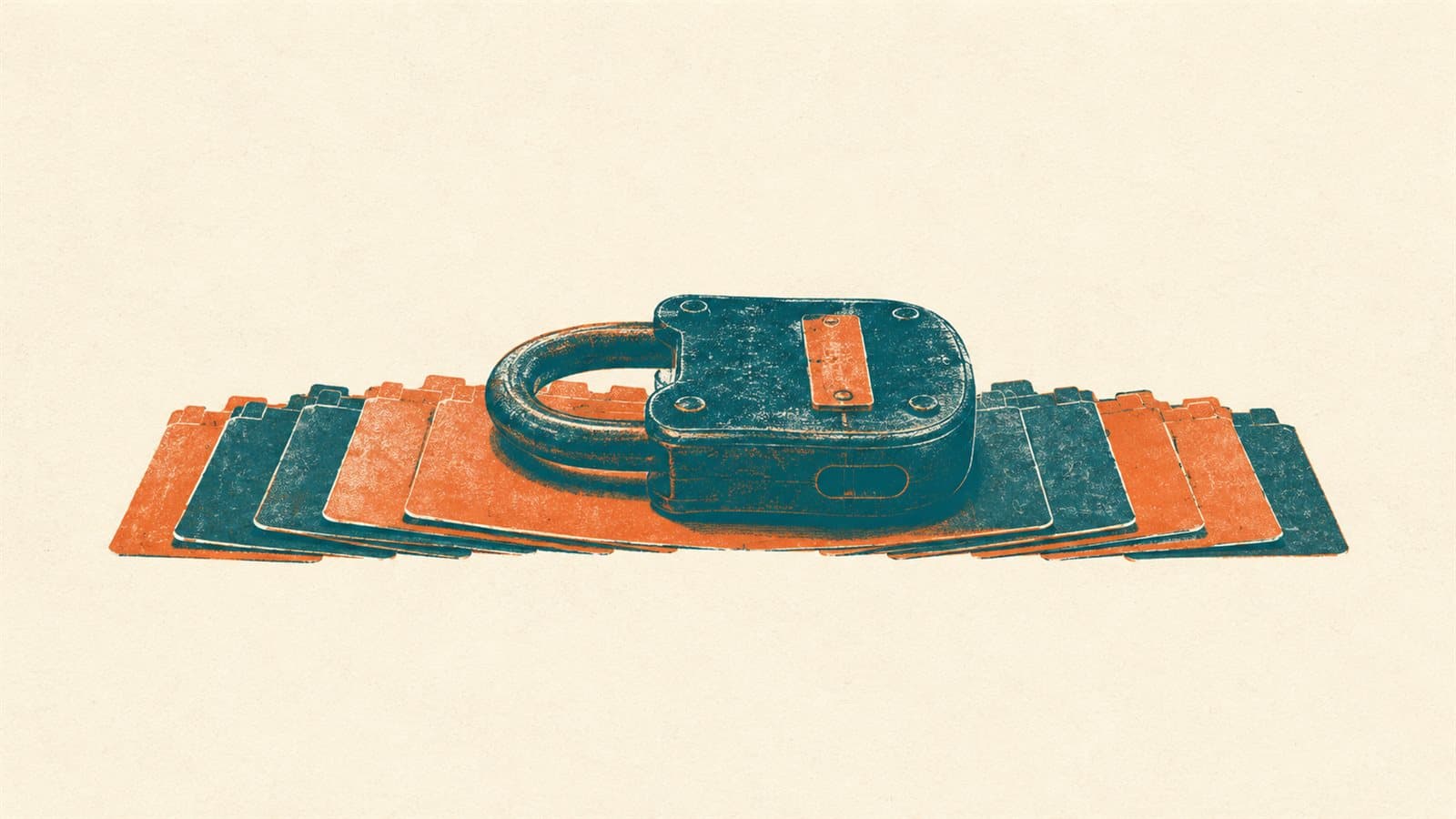
Proton Drive is a cloud drive made by Proton, the Swiss company best known for Proton Mail. The pitch is straightforward and, in 2026, slightly funny: it is a place to put your files that the people running the place cannot open. Five years ago that would have read as a niche concern for journalists and dissidents. Now it is being marketed at parents who have realised every photo of their kid is sitting on a server somewhere being scanned by something.
What it actually is
A cloud drive. You drag files into it on a Mac, a PC, a phone, or a browser, and they show up on the other devices. The interface is the boring familiar grid of folders and thumbnails. The difference is happening behind the screen. Files are encrypted on your device before they are uploaded. Filenames, folder names, and metadata are encrypted too. Proton's servers hold the encrypted blobs and never see the keys. The free plan is 5GB. Paid plans go up from there and tend to come bundled with Proton Mail, VPN, Calendar, and Pass, which is how Proton actually makes the model work.
Why anyone cares now
For a decade the deal with cloud storage was unspoken: free or cheap storage, in exchange for the provider being able to read what you put there. Most people did not think about it because nobody was doing anything interesting with the contents. That changed. The same companies offering generous free tiers also started shipping AI features that, by definition, need to read your files to work. Photos got faces tagged. Documents got summarised. Inboxes got drafted from. None of this is sinister on its own. All of it requires that the provider can read the contents.
Proton Drive is built so that the provider cannot. That is the entire product. The marketing copy on the product page leans hard into this distinction, because in the current climate it is the only thing that matters.
The honest trade-off
End-to-end encryption means Proton cannot help you if you lose your password. There is a recovery mechanism, but if you lose access to that too, the files are gone, including from Proton. This is the same architectural choice that makes the product worth using and the same one that means there is no friendly support agent who can fish you out. It is a feature dressed as a bug. For anyone storing things they actually care about keeping private, that trade is the point.
The category used to sound paranoid. Now it sounds like a reasonable thing to put on a Christmas list.